In Bhutan, spirituality shapes daily life.
You will see elderly villagers circumambulating monasteries at dawn. Children spin prayer wheels on their way to school. Office workers pause at lunch to walk around a chorten in silent prayer.
Sites like Paro Taktsang are not just tourist landmarks. They are active meditation spaces where devotion feels real and grounded.
Even in the capital, below the towering Buddha Dordenma, locals gather to pray quietly at sunset.
Bhutan’s development philosophy of Gross National Happiness reinforces this spiritual foundation. Progress here includes mental wellbeing, cultural preservation, and mindful governance.
The Importance of Mind Control in Buddhist Practice
Modern life trains the mind to react constantly. Notifications, deadlines, expectations, comparison.
Buddhist practice trains the mind to observe instead of react.
When you chant Om Mani Padme Hung while walking along a mountain trail, you begin to notice:
How quickly the mind wanders
How often thoughts judge or compare
How emotions rise and fall
Mind control in this context does not mean suppression. It means awareness.
Bhutan creates the conditions for this awareness:
Silence in high mountain valleys
Slow travel rhythms
Limited mass tourism
Sacred architecture designed for contemplation
Travelers often say they feel a calm they did not expect. Many describe sleeping better, thinking more clearly, and feeling less rushed.
What Visitors Say About Bhutan’s Spiritual Impact
While Bhutan is known for dramatic Himalayan landscapes, online reviews frequently highlight something deeper.
Common themes from travelers include:
A profound sense of peace during monastery visits
Emotional moments during meditation with monks
A shift in perspective about success and happiness
Feeling grounded and present
Many visitors mention that Bhutan feels “authentic,” not staged. Spirituality is woven into ordinary life. It does not feel performative.
Some travelers arrive seeking adventure. They leave reflecting on purpose.
How a Bhutan Experience Can Support Your Spiritual Growth
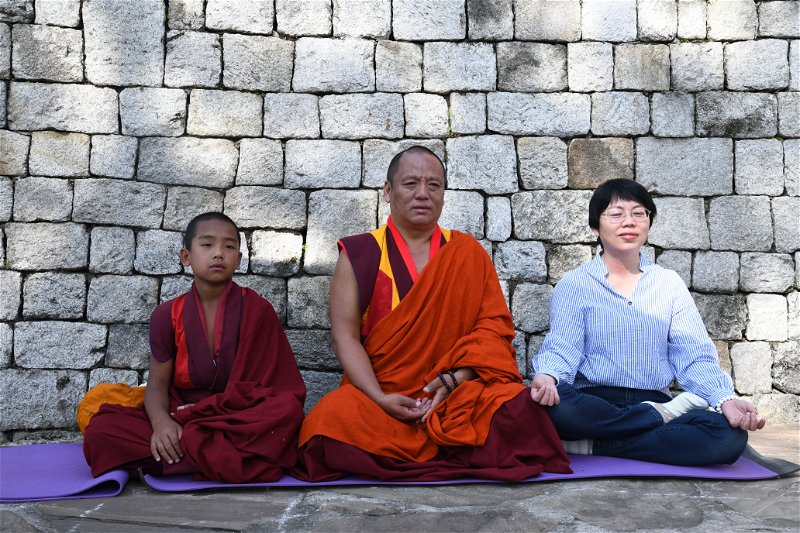
A thoughtfully designed Bhutan journey can include:
1. Guided Meditation Sessions
Spend time with monks who explain the meaning behind the mantra and teach breathing techniques.
2. Sacred Site Hikes
The trek to Paro Taktsang is physically demanding yet deeply symbolic. The climb becomes a meditation in motion.
3. Village Immersion
Observe how spirituality integrates with farming, family life, and community rituals.
4. Quiet Reflection Time
Intentional pauses in your itinerary allow space for integration.
Spiritual growth rarely happens in noise. Bhutan gives you space to listen to your own mind.
Why Bhutan Is Different from Other Spiritual Destinations
Many destinations market spirituality. Bhutan lives it.
Tourism policy limits visitor numbers. Cultural traditions remain intact. Monasteries are functioning institutions, not decorative attractions.
This creates an environment where transformation feels possible because it is supported by the surroundings.
You do not feel like an outsider observing a ritual. You feel invited into a rhythm that has existed for centuries.
Frequently Asked Questions
1. Is Om Mani Padme Hung specific to Bhutan?
No. The mantra originates in Tibetan Buddhism and is widely practiced across Himalayan regions. However, Bhutan integrates it deeply into everyday life.
2. Do I need to be Buddhist to benefit from chanting?
No. Many visitors participate respectfully and experience calm regardless of religious background.
3. Can beginners meditate in Bhutan?
Yes. Many guided tours include introductory meditation sessions suitable for beginners.
4. Is Bhutan suitable for spiritual retreats?
Yes. Bhutan offers monastery stays, wellness retreats, and guided contemplative journeys.
5. Will I experience a spiritual transformation?
Transformation depends on your openness. Bhutan provides the environment. Your engagement determines the depth.
Final Reflection
Om Mani Padme Hung is not just a mantra you hear in Bhutan.
It becomes a rhythm you walk to. A silence you sit with. A reminder that mastering the mind is the foundation of lasting peace.
Bhutan does not promise enlightenment.
It offers something rarer.
Space to begin.