Festivals of Bhutan: 8 Remarkable Cultural Celebrations
From the sacred mask dances of Paro and Thimphu to the remote highland gatherings of Laya and Jomolhari, Bhutan’s festivals offer an extraordinary window into the country’s faith, communities and living traditions.
Festivals in Bhutan are more than colourful public events. Many are deeply religious occasions when communities gather to receive blessings, honour Buddhist teachings and share traditions passed down through generations. Others celebrate mountain livelihoods, local identity and the natural world.
This guide introduces eight distinctive Bhutan festivals to help you decide when to visit and what kind of experience you would enjoy. For exact dates, see our Bhutan Festival Calendar. Dates and programmes can change, so confirm arrangements before finalising flights or accommodation.
Why Are Festivals Important in Bhutan?
The best-known Bhutanese festivals are called tshechus, often held in honour of Guru Rinpoche (Padmasambhava), whose teachings are central to Bhutan’s Buddhist heritage. Monks and lay dancers perform cham, sacred masked dances with symbolic characters, elaborate costumes, drums and ritual music. For local communities, attending a tshechu is an act of devotion as well as a cherished social occasion.
Not every Bhutanese festival is a tshechu. Highland festivals, for example, celebrate the distinct customs of mountain communities, while the Black-Necked Crane Festival connects cultural performances with wildlife conservation. Together, these events reveal how closely Bhutanese cultural life is connected with place, religion and community.
8 Famous Festivals in Bhutan Worth Experiencing
Each festival has its own character. The seasons below are typical rather than confirmed dates for any particular year.
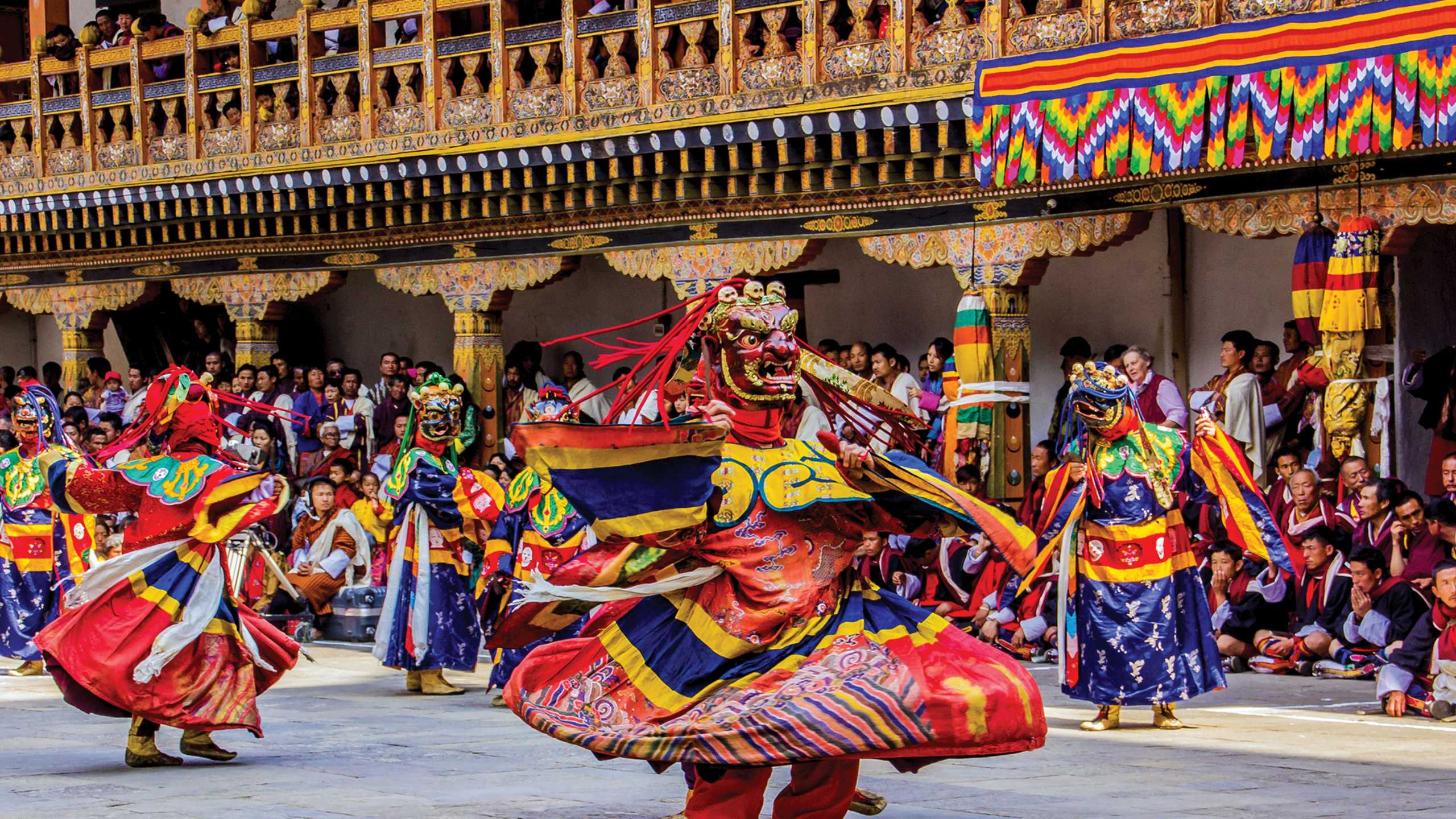
Paro Tshechu
Paro Tshechu is among Bhutan’s most recognised religious celebrations. Over several days, the community gathers for sacred cham dances, traditional performances and blessings. The festival is especially known for the unveiling of a large sacred thongdrel on the final morning. The setting in Paro also makes it practical to combine festival attendance with visits to Rinpung Dzong, the National Museum and the hike to Tiger’s Nest.

Thimphu Tshechu
Thimphu Tshechu brings together monks, lay performers and families for a major annual celebration in the capital. Sacred mask dances share Buddhist teachings through movement, symbolism and music. Visitors also see Bhutanese families in their finest gho and kira, making it a memorable introduction to living traditions rather than a performance arranged solely for tourists.
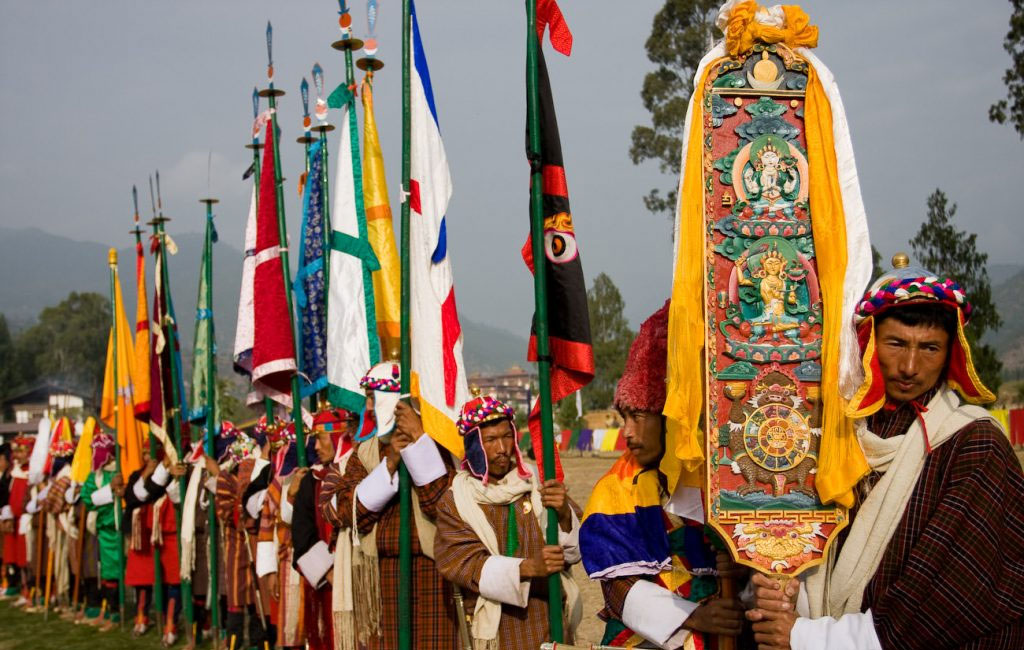
Punakha Drubchen and Tshechu
Punakha’s festival season is distinctive because it combines the Punakha Drubchen with the Punakha Tshechu. The Drubchen features historical reenactments associated with the defence of Bhutan, while the Tshechu includes sacred dances and religious ceremonies. Set against the striking Punakha Dzong at the meeting of two rivers, these events offer an engaging way to explore Bhutan’s history, faith and national identity.
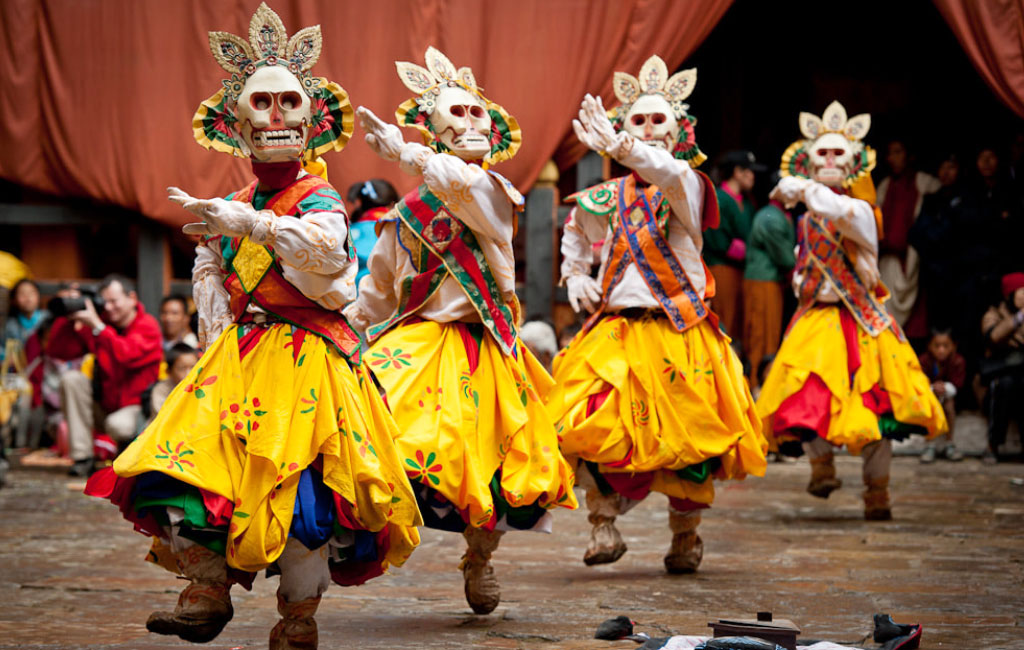
Jambay Lhakhang Drup
Held at the historic Jambay Lhakhang in Bumthang, this festival is known for deeply rooted religious practices and distinctive rituals. The programme traditionally includes the Mewang fire blessing and sacred dances. Bumthang is often described as Bhutan’s spiritual heartland, and a festival visit can be combined with its ancient temples, monasteries and beautiful valleys.

Royal Highland Festival
The Royal Highland Festival celebrates the traditions, resilience and livelihoods of Bhutan’s highland communities. Held in the remote village of Laya, it brings together highlanders, traditional dress, local food, music, animal-related activities and cultural exchange. The journey is part of the experience: reaching Laya generally requires a trek, and visitors should prepare for altitude, changeable weather and basic mountain conditions.

Jomolhari Mountain Festival
The Jomolhari Mountain Festival celebrates communities living near the Jomolhari mountain landscape and highlights the relationship between traditional highland livelihoods and conservation. Visitors may encounter cultural performances, local crafts, food and activities connected with yak-herding life. The event also draws attention to the protection of mountain wildlife, including snow leopards. Travel arrangements depend on the event location and trail conditions.

Black-Necked Crane Festival
Celebrated in the beautiful Phobjikha Valley, this community festival raises awareness of the black-necked cranes that migrate to Bhutan for winter. Cultural performances, school activities and local traditions create an accessible way to learn about conservation. A visit can be combined with Gangtey Monastery, gentle valley walks and, during the migration season, responsible crane watching from appropriate viewpoints.

Wangdue Phodrang Tshechu
Wangdue Phodrang Tshechu is a significant regional Buddhist festival featuring traditional mask dances, blessings and community gatherings. It provides an opportunity to experience religious traditions in a setting that can feel less familiar to international visitors than Paro or Thimphu. Wangdue also fits naturally into journeys that include Punakha and Phobjikha.
Which Bhutan Festival Should You Choose?
If this is your first trip, a major tshechu in Paro or Thimphu is often the easiest festival to build into a wider cultural itinerary. For a more adventurous journey, the highland celebrations offer a different perspective on Bhutan.
| Your interest | Festivals to consider | What to expect |
|---|---|---|
| First visit to Bhutan | Paro Tshechu, Thimphu Tshechu | Major religious festivals with convenient sightseeing opportunities |
| History and spirituality | Punakha Drubchen, Jambay Lhakhang Drup | Historic settings, ceremonies and distinctive rituals |
| Trekking and mountain life | Royal Highland Festival, Jomolhari Mountain Festival | Remote landscapes, local traditions and more demanding logistics |
| Wildlife and family travel | Black-Necked Crane Festival | Conservation themes, community performances and valley exploration |
| Regional cultural experiences | Wangdue Phodrang Tshechu | Traditional dances and a chance to explore beyond the main centres |
Other Bhutan Festivals Worth Knowing About
Tamshing Phala Choepa
Bumthang · Autumn
Held at Tamshing Lhakhang, this religious festival is associated with the temple’s longstanding spiritual traditions. It is a rewarding addition to a Bumthang-focused cultural journey.
Haa Summer Festival
Haa Valley · Summer, when organised
This event has showcased Haa’s rural traditions, local cuisine, sports and community culture. Check whether it is scheduled for your travel year before planning around it.
Bhutan has many other local tshechus and religious observances. Our festival calendar is the better starting point if you need a wider list of dates.
When Is the Best Time to Visit Bhutan for Festivals?
Spring (February–April) is associated with celebrations such as Punakha Drubchen, Punakha Tshechu and Paro Tshechu. The season also brings flowering valleys and generally pleasant sightseeing conditions, although mornings and evenings can be cool.
Autumn (September–November) is particularly rich in cultural events, including Thimphu Tshechu, Jambay Lhakhang Drup and several regional and highland festivals. Clear mountain views are common, but conditions vary with altitude and weather.
Festival dates follow Bhutanese calendars and local arrangements, so the same event may fall on different Gregorian dates each year. Use our Bhutan Festival Calendar for a date-specific overview, and see our best time to visit Bhutan guide for seasonal travel considerations.
How to Plan a Bhutan Festival Tour
Book accommodation early
Major festivals attract domestic and international visitors. Rooms in Paro, Thimphu and other popular destinations can become limited around festival dates.
Allow enough time
A festival is best enjoyed without rushing. Consider allowing a full morning or day, and combine it with nearby cultural visits rather than an overly packed schedule.
Dress respectfully
Wear modest clothing and comfortable shoes. Bring a warm layer, sun protection and water. Follow your guide’s advice on local customs and appropriate conduct.
Photograph thoughtfully
Photography rules differ by venue and ceremony. Ask before photographing people closely and respect restrictions on religious objects, rituals and indoor spaces.
Highland festivals require extra preparation
For the Royal Highland Festival in Laya or the Jomolhari Mountain Festival, transport, walking distances, altitude and accommodation can be more challenging than for urban festivals. It is important to plan these journeys around the confirmed event location, fitness requirements and seasonal trail conditions.
International visitors should also consider visa arrangements and Bhutan’s Sustainable Development Fee when budgeting. Our guides to the Bhutan visa, Sustainable Development Fee and Bhutan trip costs explain the key planning considerations.
Frequently Asked Questions About Bhutan Festivals
What is the most famous festival in Bhutan?
Paro Tshechu and Thimphu Tshechu are among Bhutan’s most widely recognised festivals. Both feature sacred mask dances and attract many visitors, but the best choice depends on your travel dates and interests.
What is a tshechu?
A tshechu is a Buddhist religious festival held in many parts of Bhutan. It commonly includes sacred masked dances, prayers, blessings and community gatherings.
Can tourists attend Bhutanese festivals?
Visitors can attend many public festival events, subject to local arrangements and any access restrictions. Some rituals or spaces may be reserved for religious participants.
Are Bhutan festival dates the same every year?
No. Many religious festival dates are calculated using the Bhutanese lunar calendar, so their Gregorian dates change. Always check the calendar for the year you intend to travel.
What is the difference between the Royal Highland Festival and Jomolhari Mountain Festival?
The Royal Highland Festival takes place in the Laya area and highlights the traditions of Bhutan’s highland communities. The Jomolhari Mountain Festival is associated with the Soe region and connects mountain livelihoods with conservation themes.
Is Paro Tshechu suitable for a first-time visitor?
Yes. Paro is relatively convenient for international arrivals and offers many nearby cultural sites. Festival periods can be busy, so early planning is useful.
Can I take photographs at a Bhutan festival?
Photography is often possible in public areas, but restrictions vary. Always follow posted instructions and your guide’s advice, especially during sacred ceremonies.
How many days should I spend in Bhutan for a festival trip?
A cultural itinerary of roughly six to nine days can allow time for a festival and several destinations, depending on the event and your interests. Highland festivals may require additional trekking and travel days.
Plan Your Bhutan Festival Journey With Lhayul
At Bhutan Lhayul Tours & Travels, we design private journeys around your interests, travel dates and preferred pace. Whether you would like to witness the mask dances of Paro, explore Bumthang’s sacred traditions or experience highland culture, our Bhutan-based team can help create a practical itinerary.
Tell us which festival interests you, your approximate travel dates and the number of travellers. We will help you explore the options and prepare a personalised quotation.
Enquire About a Festival Tour → Explore Festival Dates