Bhutan Festivals · 2027 Travel Guide
Paro Tshechu 2027: Dates, Tentative Programme & Visitor Guide
Each spring, families from across the Paro Valley gather in their finest gho and kira to attend one of Bhutan's most cherished Buddhist festivals. Monks perform sacred masked dances, musicians sound long horns and cymbals, and the courtyard fills with colour. Yet Paro Tshechu is more than a spectacle: it is a living religious tradition and a time for communities to come together.
For travellers, the festival offers a rare opportunity to experience Bhutanese culture as it is practised, not staged. This guide explains the tentative 2027 dates, the meaning of the dances, the famous thongdrel ceremony, what to expect on the ground and how to plan a comfortable visit.
Paro Tshechu 2027 at a glance
These are the published tentative dates, not a final guarantee. The festival follows the Bhutanese lunar calendar, and the programme or venue arrangements may change. Confirm the schedule before booking non-refundable travel.
What is Paro Tshechu?
A tshechu is a Buddhist religious festival associated with Guru Rinpoche, also known as Padmasambhava, whose teachings have had a profound influence on Bhutan's spiritual history. Across Bhutan, tshechus bring together ritual dance, prayer, community gathering and expressions of devotion.
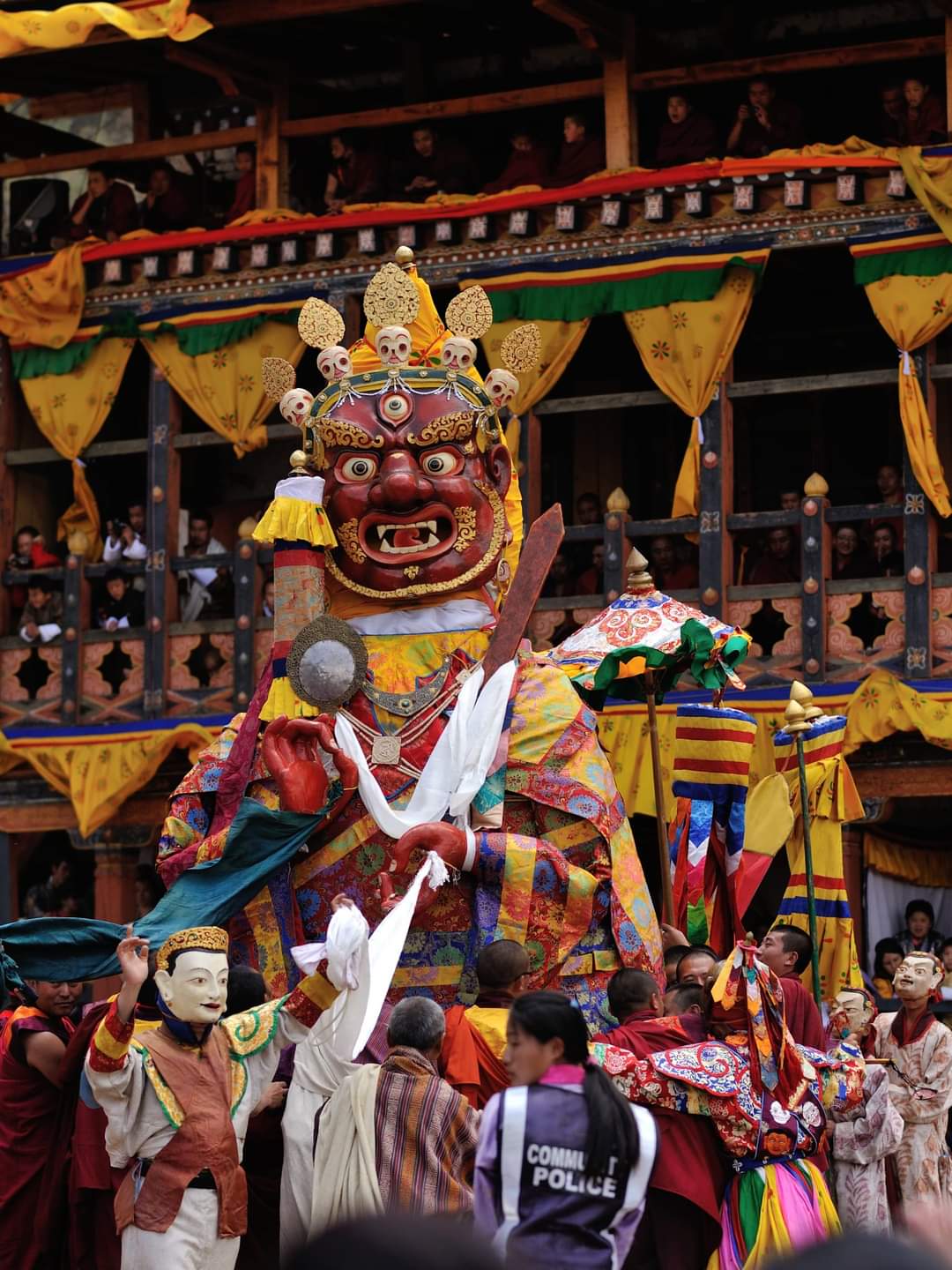
At Paro Tshechu, dancers wearing elaborate silk costumes and masks perform cham, sacred dances that convey Buddhist stories and teachings through movement, music and symbolism. Some portray protective deities, others illustrate moral lessons or remind viewers of the impermanence of life. Their meaning goes beyond entertainment.
Local families often attend together, receiving blessings, meeting relatives and sharing a day out. For many Bhutanese people, the festival is as much a part of religious life as it is a joyful annual occasion.
Why is it important to Bhutanese people?
Tshechus create a connection between faith and everyday life. They offer opportunities to accumulate merit, reflect on Buddhist teachings and strengthen community ties. The dancers' costumes, the rhythmic music and the gathering of families are all part of a tradition passed down through generations.
When is Paro Tshechu in 2027?
Paro Tshechu is tentatively scheduled for Thursday 18 March to Monday 22 March 2027. The five-day festival culminates in the display of the sacred thongdrel on the final morning.
The festival dates change from year to year because they follow the Bhutanese lunar calendar. If witnessing the final-day ceremony is a priority, plan to stay in Paro the preceding night and allow time for an early start. Exact ceremonial timings should be checked locally.
Where does the festival take place?
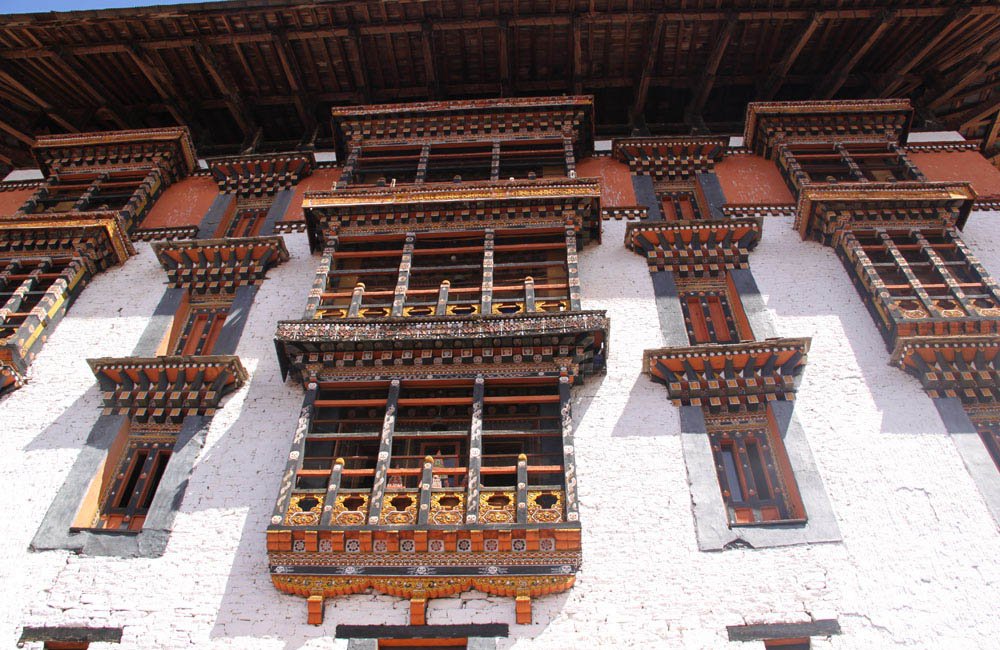
Paro Tshechu is closely associated with Rinpung Dzong, the great fortress-monastery overlooking Paro town. Festival performances and the final-day ceremony may use different areas around the dzong, including the festival ground nearby. Your guide should confirm the correct entrance and venue for each day's programme rather than assuming every event takes place in the same courtyard.
Paro is also home to Bhutan's international airport, making it a practical place to begin or end a festival journey.
Paro Tshechu 2027: tentative five-day programme
The published festival calendar gives the dates and final-day thongdrel, but it does not establish an official dance-by-dance schedule for each date. The outline below is a visitor planning guide, not a confirmed ceremonial programme. The order of dances, performance times and locations must be checked with the organisers closer to the festival.
Thursday, 18 March 2027 — Festival begins
Plan to attend the opening day and become familiar with the festival setting, sacred dances and local atmosphere. Arrive early and allow time for security or entry arrangements. Specific opening rituals and dance names are not yet confirmed.
Friday, 19 March 2027 — A day of religious performances
Set aside several hours for the festival. Watch the cham dances and listen to your guide explain their Buddhist symbolism. The exact selection and sequence of dances will depend on the confirmed programme.
Saturday, 20 March 2027 — Culture and community
Return for more festival performances and take time to observe the community gathering, traditional textiles and the setting around Rinpung Dzong. Do not assume that a particular named dance will occur on this date.
Sunday, 21 March 2027 — Festival visit and preparation for the final morning
Enjoy another opportunity to attend the ceremonies. Stay overnight in Paro, prepare warm clothing and agree on your early-morning transfer and meeting point for the thongdrel the next day.
Monday, 22 March 2027 — Final day and thongdrel unveiling
The tentative festival calendar identifies this as the thongdrel day. The great sacred image is traditionally displayed before or around dawn and taken down after a limited period. Confirm the exact arrival time and viewing arrangements locally. This is the most important date to protect if seeing the thongdrel is your priority.
The five dates and the final-day thongdrel are based on the published tentative 2027 festival calendar. All other daily descriptions above are suggested ways for visitors to experience the festival, not a published official performance schedule.
What will you see at Paro Tshechu?
1. Sacred masked dances
The masked dances are among the festival's most memorable moments. Performers appear in brocade robes, ornate headpieces and expressive masks, moving to the sounds of drums, cymbals and long ceremonial horns. Different dances carry different teachings, and a knowledgeable local guide can help explain their stories without interrupting the performance.
Visitors may also see dancers dressed as animals, fierce protective figures or characters who bring humour into the proceedings. Not every performance is solemn; moments of laughter and interaction can be part of the festival atmosphere.
2. The thongdrel unveiling
The climax of Paro Tshechu is the unveiling of the thongdrel, a monumental embroidered or appliquéd religious image associated with Guru Rinpoche. Traditionally displayed in the early hours of the final day, it is an object of deep devotion. Many people believe that seeing the sacred image brings blessings and spiritual benefit.
For visitors, this is a moment to observe quietly and respectfully. Expect an early start, crowds and potentially cold conditions before sunrise. The exact time and viewing arrangements should be reconfirmed shortly before the event.
3. Traditional dress and family gatherings
The festival is also a wonderful place to appreciate Bhutanese textiles. Women often wear beautifully woven kira and men wear gho, sometimes with distinctive family jewellery and carefully chosen accessories. Families meet, children watch the dances and friends share food between performances.
These everyday moments are an important part of the experience. The festival belongs first to the local community, and visitors are guests within that setting.
How to attend Paro Tshechu: practical advice
Arrive early and allow time
Festival days can attract large crowds, especially during popular performances and the final-day ceremony. Arriving early improves your chances of finding a comfortable viewing spot. Rather than trying to watch every performance, consider spending a meaningful part of the day at the festival and leaving time to explore Paro at a relaxed pace.
What to wear
- Dress modestly, with shoulders and knees covered.
- Wear comfortable shoes suitable for walking and standing.
- Bring a warm layer for early mornings and changing spring weather.
- Carry sun protection and drinking water for daytime visits.
- Follow any dress or entry requirements communicated by your guide or the organisers.
Festival etiquette
- Remember that the dances are religious ceremonies, not simply tourist performances.
- Do not walk across the performance area or block local worshippers' view.
- Follow instructions about where to sit, stand and remove footwear.
- Ask before photographing individuals, particularly during prayers or personal moments.
- Observe any restrictions on photography, filming or drones. Rules may differ by location and ceremony.
Photography tips
Paro Tshechu offers extraordinary photographic opportunities, from the movement of the dancers to quiet details in the crowd. A modest telephoto lens can help capture performances without getting too close. Avoid flash, stay out of ceremonial pathways and prioritise respectful observation over getting a particular shot.
For a fuller cultural story, photograph the atmosphere as well as the dances: textiles, architecture, instruments, family gatherings and the changing light over the valley. Always seek permission for close portraits.
Weather in March
March is generally a pleasant time to explore western Bhutan, but mountain weather can be variable. Mornings and evenings may feel chilly, while sunny afternoons can be warm. Dress in layers, especially if you plan to attend the thongdrel before sunrise.
Where to stay
Staying in Paro is convenient, particularly if you intend to witness the early-morning ceremony. Accommodation options range from comfortable local hotels to high-end retreats. Festival periods can be busy, so booking well in advance is sensible. Lhayul can suggest accommodation based on your preferred level of comfort and the wider itinerary.
Suggested eight-day Bhutan itinerary around Paro Tshechu 2027
For travellers who want to see both the festival and western Bhutan, the following route places the final-day thongdrel at the centre of the journey. It is an illustrative private itinerary, not a scheduled group departure.
Day 1 — 16 March: Arrive in Paro and travel to Thimphu
Meet your Bhutanese guide, settle in and enjoy a gentle introduction to the capital, depending on your flight arrival time.
Day 2 — 17 March: Thimphu to Punakha
Travel via Dochula Pass, weather permitting, and explore Punakha's landscape and cultural sites. Overnight in Punakha.
Day 3 — 18 March: Punakha and return towards Paro
Enjoy a relaxed morning before travelling back west. The festival begins today, but this sample route does not assume attendance at the opening performances.
Day 4 — 19 March: First Paro Tshechu visit
Attend the festival for several hours and learn about the religious meaning of the dances. Overnight in Paro.
Day 5 — 20 March: Paro Tshechu and the valley
Return to the festival for different performances, with time for Paro's temples or village scenery if the programme permits.
Day 6 — 21 March: Paro sightseeing and festival
Choose between another festival visit and a cultural excursion. Prepare for an early start the following morning and remain overnight in Paro.
Day 7 — 22 March: Thongdrel at dawn
Attend the final-day sacred thongdrel display, subject to confirmed timing. Rest afterwards and enjoy a flexible afternoon in Paro.
Day 8 — 23 March: Departure
Transfer to Paro International Airport. If you wish to hike to Tiger's Nest Monastery, consider extending the trip by one day rather than rushing the hike after the dawn ceremony.
If you want to attend all five festival days, arrive by 17 March and plan a longer stay in Paro. Accommodation and transport are subject to availability, and the itinerary should be adjusted if the festival dates change.
Can the festival be combined with a photography or spiritual journey?
Yes. Photography enthusiasts can spend more time observing performances and local life, while travellers interested in Buddhism can combine the festival with visits to monasteries and sacred sites. A private itinerary can be tailored to your pace and interests.
Planning and costs
International travellers should account for the applicable Bhutan visa or entry requirements, the Sustainable Development Fee (SDF), accommodation, transport, guiding and other itinerary inclusions. The total cost depends on travel dates, group size, accommodation preferences and the length of the journey.
For an explanation of current visitor charges, see Lhayul's Bhutan SDF and fees guide. For a wider breakdown, read our Bhutan trip cost guide and Bhutan visa information.
Because the festival is popular, it is worth discussing your preferred dates early. A good itinerary should prioritise the festival experience without making the rest of the trip feel rushed.
Frequently asked questions about Paro Tshechu
What are the dates of Paro Tshechu in 2027?
The published tentative dates are 18–22 March 2027. Reconfirm them before making non-refundable bookings because festival schedules can change.
Where is Paro Tshechu held?
The festival is associated with Rinpung Dzong and the nearby festival ground in Paro. Exact arrangements may vary by day and ceremony.
What is the thongdrel and when can I see it?
The thongdrel is a large sacred religious image displayed during the festival's concluding ceremony, traditionally in the early hours of the final day. In 2027, that is tentatively 22 March. Check the precise timing locally.
Can tourists attend Paro Tshechu?
Yes, visitors can generally attend the public festival proceedings, subject to local entry, conduct and photography requirements. A local guide can help explain the programme and appropriate etiquette.
Is there a separate ticket for the festival?
Entry arrangements can vary by venue, viewing area and year. Ask your tour operator to confirm any applicable admission or seating arrangements before travel rather than assuming access is identical for every event.
How many days should I spend at the festival?
One full festival day can offer a meaningful introduction. Two visits allow more time to experience different dances and the atmosphere. Travellers hoping to see the thongdrel should plan specifically around the final morning.
What should I wear to Paro Tshechu?
Choose modest clothing that covers shoulders and knees, comfortable footwear and layers for cool mornings. Follow any additional requirements given by the organisers.
Can I take photographs?
Photography is often possible in designated public areas, but restrictions may apply to specific ceremonies or locations. Do not use flash during rituals, and always respect instructions from organisers and local participants.
Should I book hotels early?
Yes. Paro Tshechu attracts visitors and local attendees, so desirable accommodation may fill up. Booking early is particularly helpful if you want to stay in Paro for the final-day ceremony.
Can Lhayul arrange a private festival journey?
Yes. Lhayul can help plan a tailored Bhutan itinerary around the festival, including accommodation, transport, guiding and other cultural experiences, subject to availability.
Experience Paro Tshechu with Lhayul
We are a Bhutanese tour operator established in 1999. Tell us your preferred travel dates, the number of travellers and what interests you most. We can help create a personalised journey around the festival, with time for Bhutan's culture, landscapes and spiritual heritage.